

Display Portraits as Artwork in Your Home

Displaying portraits as artwork elevates photographs from personal keepsakes to intentional design elements. Whether you’re working with maternity, newborn, family, or individual portraits, a few thoughtful choices in print type, scale, framing, and placement help your images feel integrated with your home style. Photowjoa in Davenport offers guidance during sessions so your final prints are ready to live on your walls with confidence.
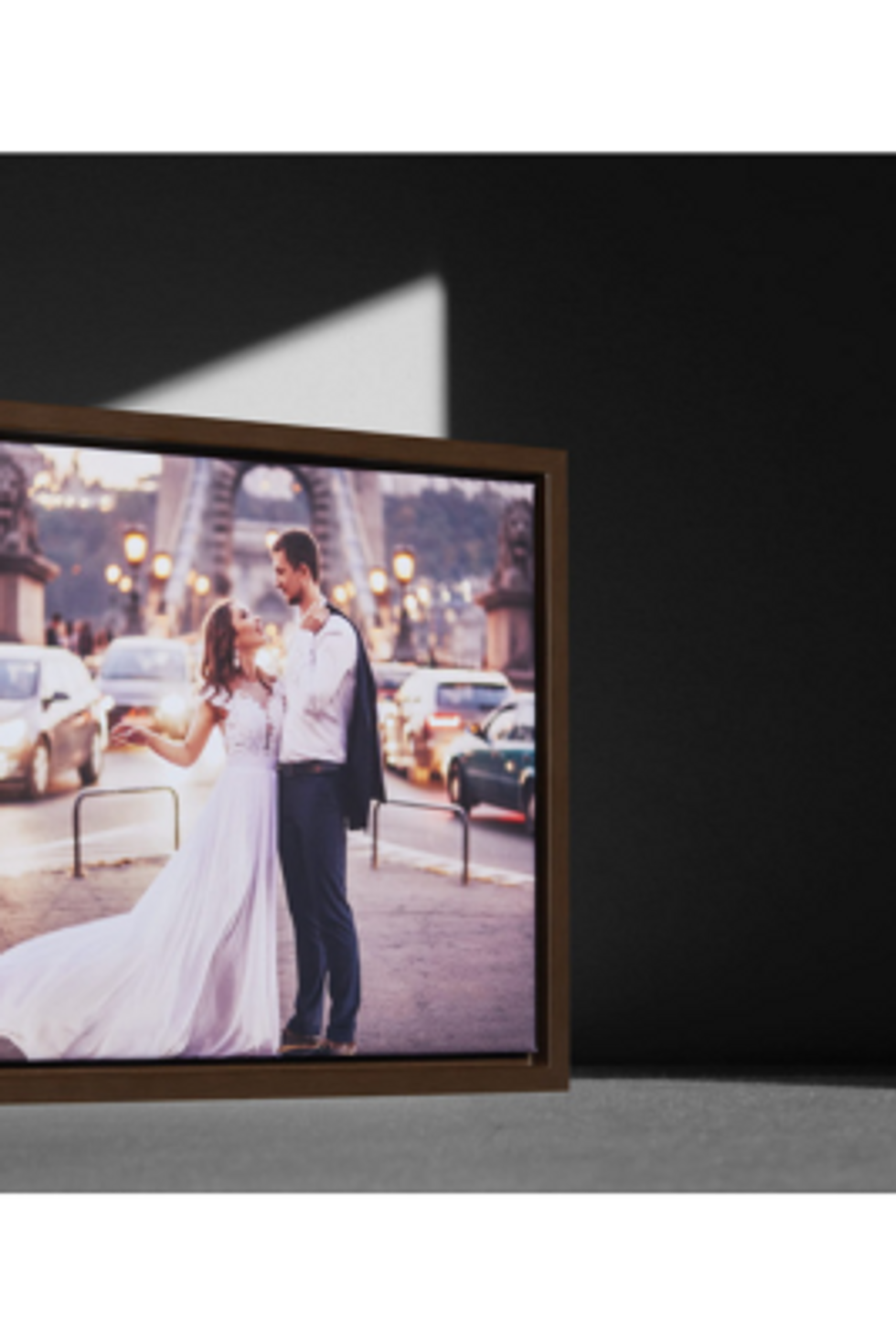
Think Like a Gallery: Choose a Focal Point
Start by identifying the wall or space that will serve as the room’s visual anchor. Large portraits work well above sofas, entry consoles, or stair landings where they can draw attention without competing with other elements. When planning a focal piece, consider viewing distance: a larger print feels balanced when seen from across the room, while smaller rooms benefit from more modest sizing.
Pick the Right Print Type for Your Space
Print materials influence how an image reads in a room. Matte fine-art papers reduce glare and suit cozy, tactile interiors, while metallic or glossy finishes add punch and modern clarity. Acrylic and museum prints offer a contemporary look with strong color, but framed prints with mats provide a timeless presentation that fits both traditional and transitional homes. Choose a finish that complements your decor and daily light conditions.
Consider Scale and Proportion
Size matters. A too-small portrait on a large wall looks lost; an oversized piece in a compact room can overwhelm. Measure the wall and sketch proportions before ordering prints. For groupings, keep consistent margins and alignments so the overall composition reads as a single artwork. If you’re unsure, Photowjoa can help estimate sizes based on how you plan to display the images at home.
Create Cohesive Groupings
Groupings can be symmetrical, asymmetrical, or a salon-style mix. Keep a visual thread—color palette, frame style, or mat width—to unify the collection. When arranging multiple images, lay them out on the floor first or create paper templates to tape to the wall. Consistent spacing (for example, two to three inches between frames) helps the display feel intentional rather than cluttered.
Frame and Mat with Purpose
Frames should support, not distract from, the photograph. Choose simple frames for modern interiors and richer woods for warmer spaces. Mats add breathing room around an image and can elevate smaller prints. Consider archival materials if you plan to keep prints for many years; they help protect color and paper quality over time.
Light Your Portraits Thoughtfully
Good lighting makes a print sing. Avoid placing prints where strong direct sunlight will fade colors over time. Instead, use ambient room light, picture lights, or directional track lighting to add subtle emphasis. Position lights so they minimize reflections on glass and highlight the face and tone of the portrait rather than creating hotspots.
Match the Image to the Room’s Function
Think about how you want people to feel in a room. Softer, intimate portraits work well in bedrooms and nurseries, while lively family images suit kitchens and casual living areas. For formal spaces, consider coordinated frames and more neutral tones to maintain a composed look. Photowjoa’s wardrobe guidance can help create images that align with the mood you want on your walls.
Preserve and Care for Your Prints
Use UV-protective glass when possible and avoid hanging originals where they will be exposed to humidity or direct sunlight. Clean frames gently with a dry cloth and keep a record of print specifications so replacements or reorders match the originals. Proper care extends the life of prints and keeps portraits looking like curated art.
Hire a Pro for Installation When Needed
For large scale work or complex gallery arrangements, consider professional installation. Installers bring the right hardware and expertise to ensure pieces are level, secure, and safely anchored. This is especially helpful for heavier materials or multi-piece compositions that require precise alignment.
Final Thoughts and Next Steps
Turning portraits into artwork is a deliberate process that blends photographic quality with interior design decisions. Start with a clear focal point, choose print materials that suit your environment, and plan scale and framing to create unity. If you’re in Tampa, Davenport, or elsewhere in the region, Photowjoa can help at the session stage with look guidance and image choices so your portraits translate beautifully to wall art. When you’re ready, bring in the prints and let them enhance your home’s character.


Comments